Have you ever wondered why some used golf balls perform like new while others fall short of expectations?
Your understanding of golf ball grades could make the difference between scoring your best round and feeling frustrated on the course.
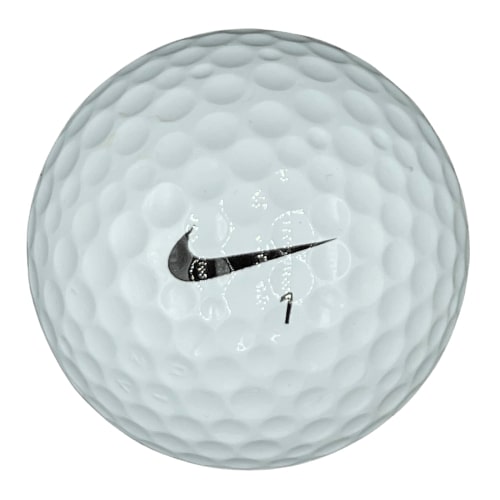
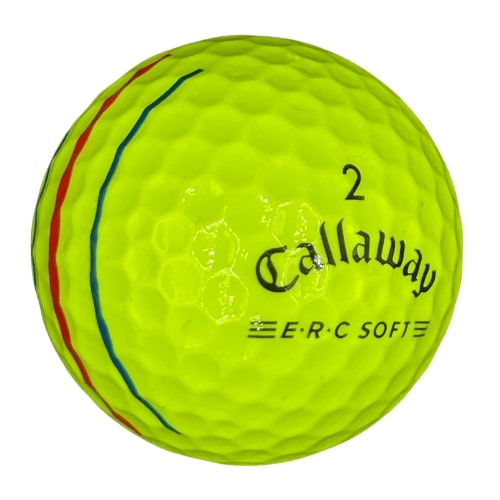
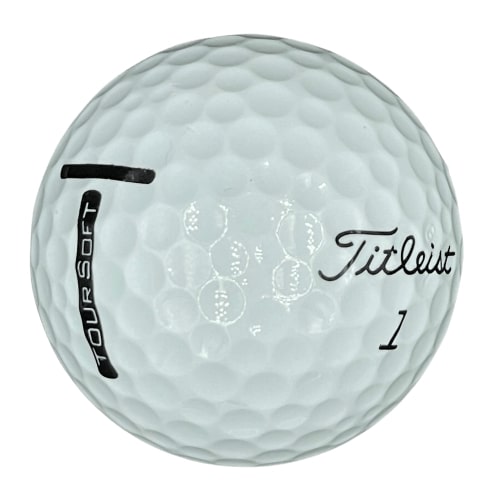
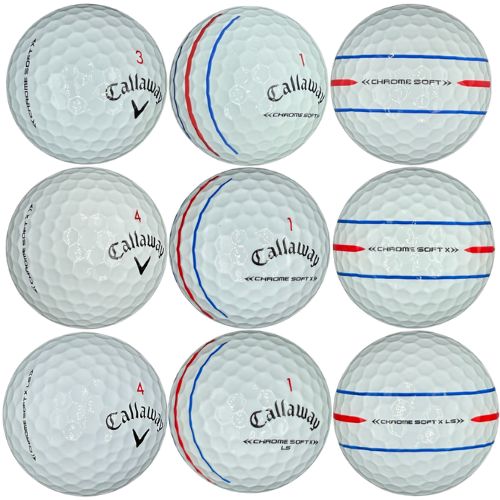
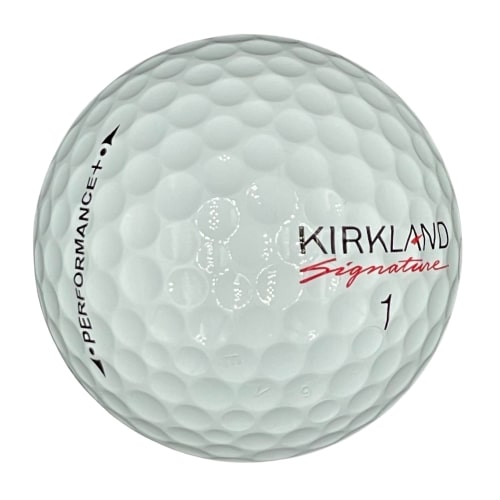
Quality matters by a lot when you’re shopping for used or recycled golf balls. Mint quality golf balls represent the best available grade. These balls look almost new and show minimal wear while keeping their original color and sheen. Near mint balls have slight imperfections that you might see in a new ball after 1-3 holes of golf. You’ll find small player markings (sharpie or felt pen) or team and corporate logos on both types.
Let’s take a closer look at this detailed guide to explore different golf ball condition grading systems. You’ll learn what each grade means for your game, and get practical advice to select the right refurbished golf ball grades that match your needs and budget.
Ready to make smarter choices about the balls you play? Let’s tee off!
What Golf Ball Grading Really Means
A careful process matches players with their ideal golf balls based on skill level and budget. The grading system follows clear industry standards that help players choose recycled golf balls based on their condition and playability.
Golf balls collected from courses throughout the United States go through an eco-friendly cleaning process that maintains their original condition. A team then sorts them carefully by make, model, and condition using standard criteria.
The most common grading scale has these categories:
- Pristine: These balls look brand new without any wear or cosmetic damage. They make up only 5% of all recycled balls and don’t have any player markings or logos.
- Mint (5A/AAAAA): These balls look similar to new ones with minimal wear. You might see small logos or minor markings.
- Near Mint (4A/AAAA): The condition matches balls that players have used for just a few holes. Small blemishes might be visible but won’t affect performance.
- Good (3A/AAA): These balls don’t have cuts but might show some scuffs or discoloration. They work great for casual play or practice.
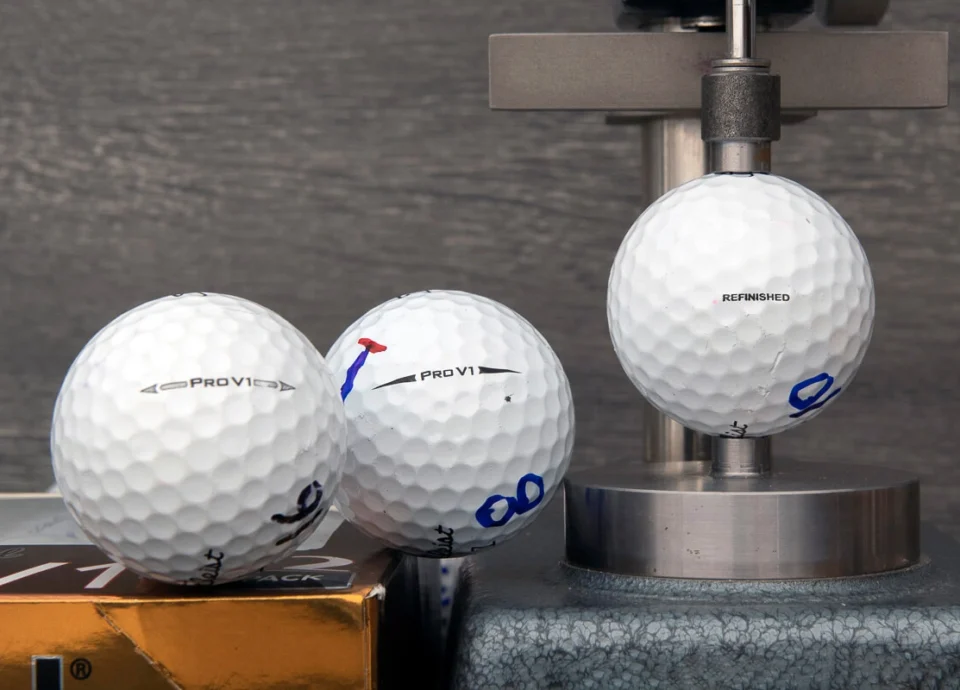
- Factory Refinished: These balls go through stripping, repainting, and clear coating to look new again.
Players can make smart choices about quality and value by knowing these golf ball grades. This knowledge helps them avoid paying too much for the performance they need.
Comparing Mint, Near Mint, and Practice Grades
Golf balls come in different grades, and each grade’s appearance and performance tell an interesting story.
Mint condition balls (5A) are the best you can find. These premium recycled balls look similar to new ones with their glossy finish and minimal wear. You might spot small logos or minor ink marks, but these don’t affect how they perform. The Pristine rating, a special category within Mint, applies to only 5% of recycled balls that have no markings at all.
Near Mint (4A) balls give excellent value to most golfers. They look like balls that have seen 12-18 holes of play, showing light shading and minor scratches. These cosmetic imperfections don’t affect the ball’s structure or performance. Corporate logos and player markings appear often on these balls.
Practice grade (3A) balls work well for casual rounds or practice sessions. While they show noticeable scuffs, minor discoloration, and smudged printing, they don’t have cuts that would affect play. This grade sometimes features higher-grade x-outs and practice models from manufacturers.
Each grade’s price point suits different needs – Mint balls work best for tournaments, Near Mint for regular play, and Practice grade balls help beginners or players taking risky shots.
Making the Smart Choice for Your Game
Your game’s characteristics determine the ideal golf ball grade for you. Practice grade balls give great value to beginners and high-handicappers since they can’t detect performance differences between new and used balls at their skill level. Players with lower handicaps might want mint condition balls when they compete in tournaments.
Swing speed plays a crucial role in this decision. Players who swing slower than 85 mph won’t notice much difference in ball speed whatever the condition, which makes recycled balls a smart choice. This is especially true if you tend to lose balls often.
Smart golfers can save money with recycled balls that cost 50-80% less than new ones. Premium balls cost $1-2 instead of $4 or more per ball. Research shows “negligible” performance differences between new and quality recycled balls.
Recycled golf balls help the environment by putting about 30 tons of discarded rubber, surlyn and urethane back into play. You get an eco-friendly choice that doesn’t compromise on quality.
Note that a brand new ball becomes “used” after just one shot. The best strategy matches ball grade to your skill level and situation – mint balls for tournaments, near mint for regular play, and practice grade when you play risky holes.
Conclusion
Knowing how to pick the right golf ball grade helps you make smarter buying decisions. The differences between mint and practice grade balls go beyond looks—they affect how well you play and what you pay. Your skill level should guide what you buy.
Beginners and high-handicappers can get great value from practice grade balls. Advanced players might want mint condition balls for tournaments. Your usual playing conditions matter too. Holes with water hazards or thick rough might need cheaper options, whatever your skill level.
On top of that, recycled golf balls can save you a lot of money—often 50-80% less than new ones—while keeping the same quality. You can play premium balls for $1-2 instead of $4 or more per ball. These balls are good for the environment too, putting about 30 tons of materials back into play.
The smart way to choose is to match the ball grade to your skills and where you’re playing. Mint balls work best in tournaments. Near mint balls are great for regular rounds. Practice grade balls fit perfectly for risky shots or newer players.
Note that this advice when you buy your next batch of golf balls. You’ll save money and play just as well, while helping the environment. The best golf ball isn’t always brand new—it just needs to be the right grade for you.
FAQs
Q1. What’s the difference between mint and practice grade golf balls? Mint grade balls appear nearly new with minimal wear, while practice grade balls show noticeable scuffs and discoloration but remain playable. Mint balls are ideal for tournaments, whereas practice grade balls are suitable for casual rounds or high-risk shots.
Q2. How does golf ball grading affect performance? Ball grading primarily affects appearance, but can slightly impact performance. Mint and near mint balls maintain their original characteristics, while practice grade balls may have minor variations in spin or distance. However, for most recreational players, these differences are negligible.
Q3. Are recycled golf balls a good value? Yes, recycled golf balls offer excellent value. They typically cost 50-80% less than new balls while maintaining similar performance. This allows golfers to play premium balls at a fraction of the cost, making them a smart choice for budget-conscious players.
Q4. How should I choose the right golf ball grade for my game? Consider your skill level, playing frequency, and budget. Beginners and high-handicappers can benefit from practice grade balls, while more advanced players might prefer mint condition balls for competitive play. Also, factor in how often you lose balls and the types of courses you play.
Q5. What are the environmental benefits of using recycled golf balls? Using recycled golf balls is an environmentally friendly choice. It helps put approximately 30 tons of discarded rubber, surlyn, and urethane back into play, reducing waste and the demand for new ball production. This sustainable approach doesn’t compromise on quality or performance for most players.