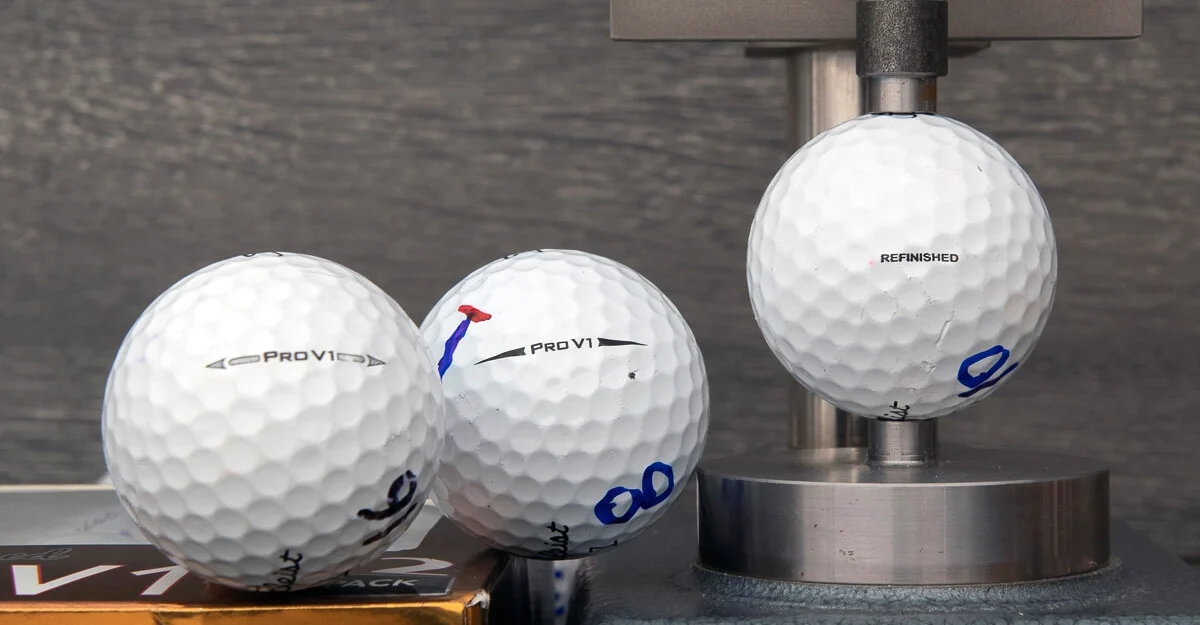
Most average golfers would be surprised to learn that it makes “absolutely no difference whether you play a new or used ball”.
Both refinished and recycled golf balls are great ways to save money compared to buying new ones.
Understanding their differences will help you make smart purchasing decisions.
Let’s look at what makes these balls different…
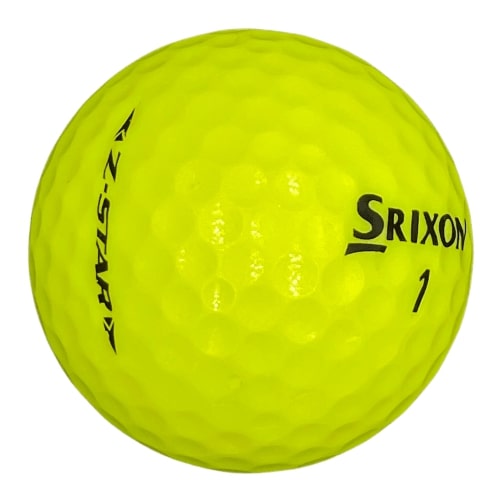
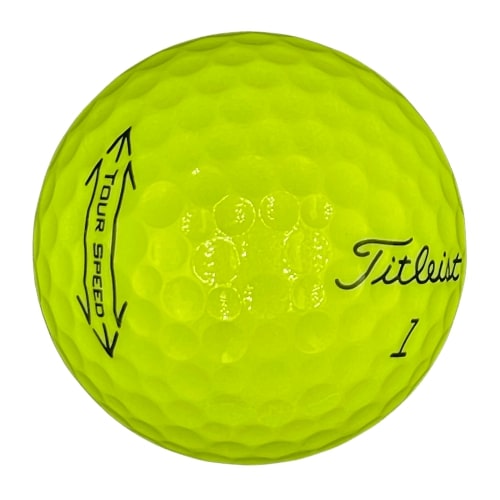
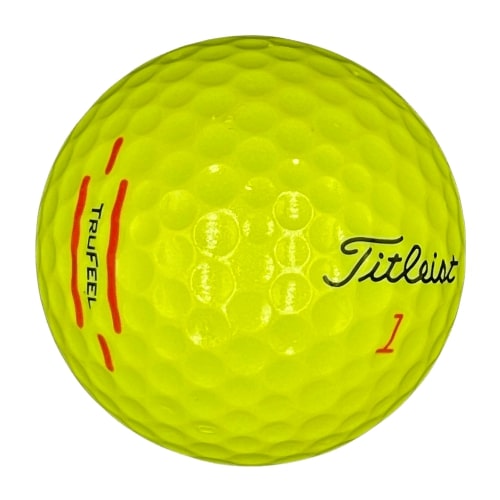
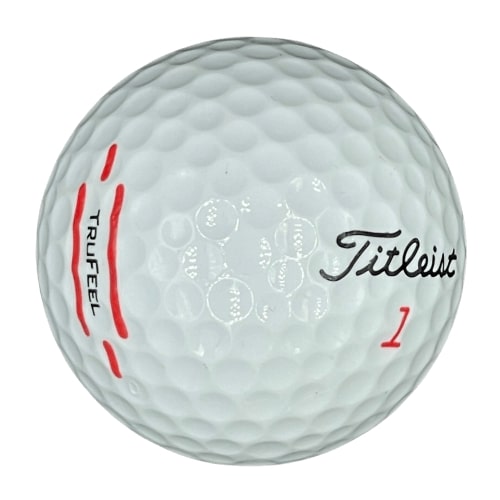
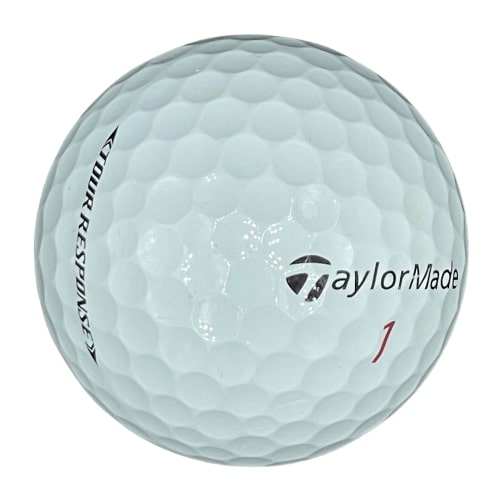
Refinished balls get a complete makeover through a cosmetic restoration process. The outer clearcoat and paint are mechanically stripped, and the balls receive sandblasting, new paint, and brand stamps. Recycled golf balls take a different path – these are previously played balls found on courses. Someone recovers, cleans, and grades them based on their condition. The quality varies substantially between these options. Top-quality recycled balls (AAAAA/1st Quality) look and feel similar to brand new ones.
This piece breaks down everything about these budget-friendly alternatives. The facts will help you choose the perfect balls for your game, whether you care about performance, legality, or want to save money in 2025.
Understanding the Types: What Are Refinished and Recycled Golf Balls?
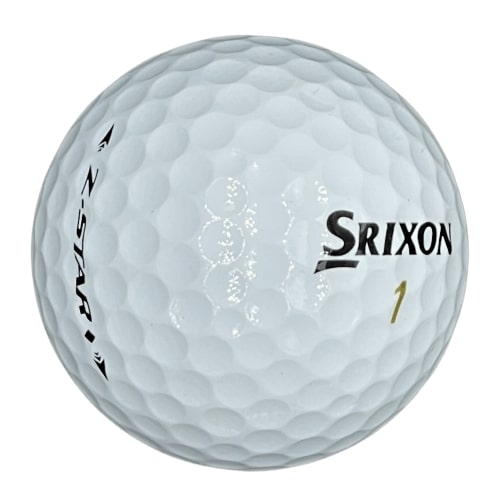
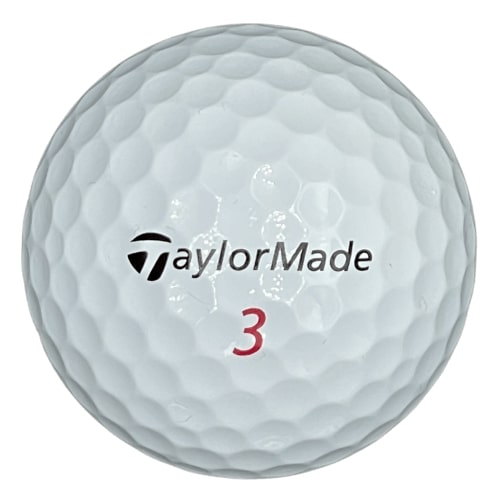
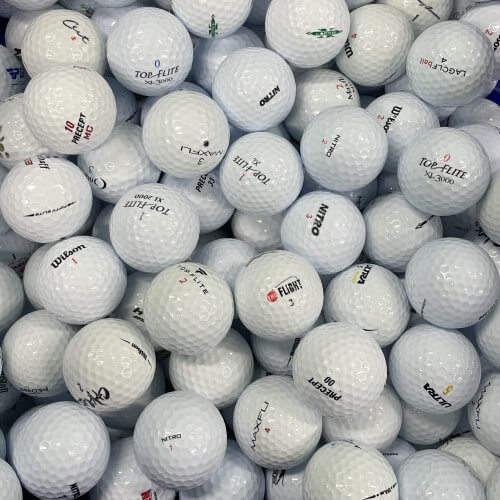
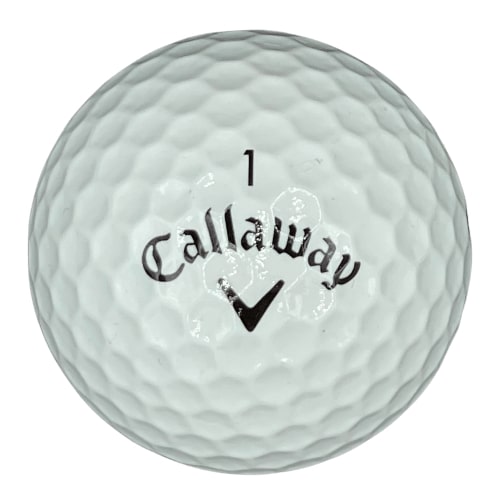
A closer look at these alternatives shows that recycled golf balls are just used balls recovered from golf courses. Golf courses clean and sort these balls by their condition. These balls keep their original manufacturing characteristics, with cleaning being the only change.
The grading process for recycled balls follows strict standards:
- Mint/AAAAA/5A: Look almost new with original color and shine, though they might have player markings or logos
- Near Mint/AAAA/4A: Have tiny flaws like balls used for 1-3 holes
- Grade B/AAA/3A: Show some scuffs and marks but still work great
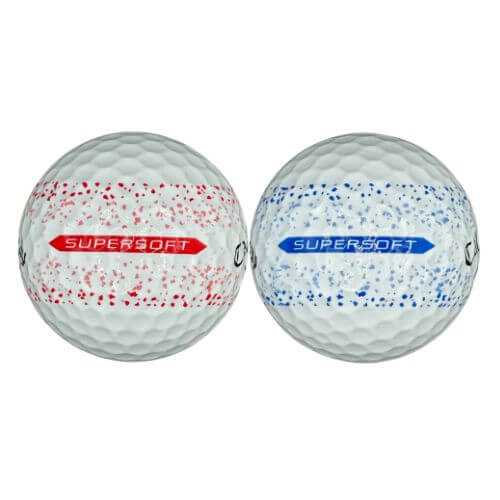
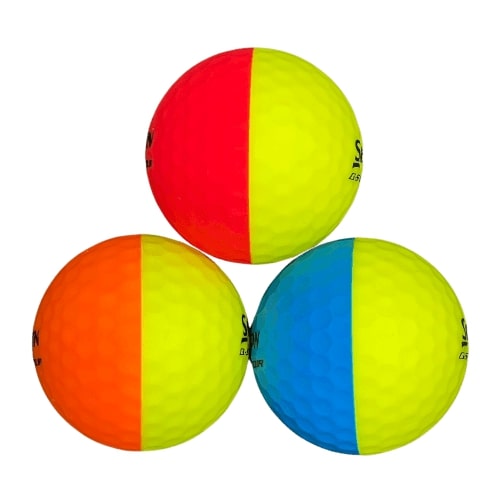
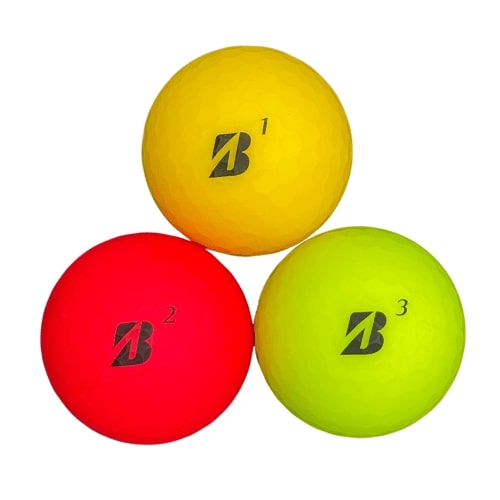
Refinished golf balls need more work to restore them. The process strips away the original clearcoat and paint. Workers then repaint them with manufacturer markings and add a “refinished” label before applying a new clearcoat. This process makes the balls look new, but the changes are just on the surface.
The refinishing process can change how these balls perform. Ball balance and weight might shift, which affects spin and distance. On top of that, these balls don’t last as long as new ones because of the stripping and recoating.
Refurbished balls make up a third category that needs less work. These balls get touch-ups only where needed, instead of a complete surface strip.
Performance and Legality: Do These Balls Play Like New?
New golf balls barely outperform recycled ones. Launch monitor tests show that well-cleaned recycled balls with intact covers perform almost similar to new ones. Golf balls left underwater for 5 months lost just 0.6 yards in carry distance and 1 yard overall.
Refinished golf balls tell a different story. Some companies claim their refinished products have “minimal variation” in distance and trajectory compared to new balls. However, independent tests paint a different picture. The refinishing process adds thicker paint and clear coat, which creates a more “clicky” sound when hit. This extra coating can fill dimple patterns and reduce spin rates. On top of that, refinished balls don’t last as long, and their paint tends to scuff after playing just a few holes.
The rules are clear about recycled balls – they’re tournament-legal since they keep their original specs. Refinished balls sit in a gray area though. The USGA allows refinishing only when it doesn’t change how the ball performs. Most competitions that use the “List of Conforming Golf Balls” don’t allow refinished balls. Casual rounds and handicap posting accept both options.
The ball’s surface condition matters nowhere near as much as its age or time spent in water.
Cost and Value: Which Option Saves You More in 2025?
The price gap between new and used golf balls remains substantial in 2025. Budget-conscious players can find great value in recycled and refinished options.
These alternatives follow predictable pricing patterns. Players can find recycled golf balls for $0.50 to $2.00 per ball ($6.00-$20.00 per dozen), based on their condition and brand. The pristine recycled balls cost more but still save money compared to new ones. Mint condition or refurbished balls usually cost between $2.00 and $3.00 per ball ($20.00-$30.00 per dozen).
The value goes beyond just the price tag. Recycled balls keep their original features with minimal processing. Refinished balls go through chemical treatments that might affect how long they last. Test data shows that mint recycled balls lose minimal performance—about 1 yard or less on a 260-yard drive. Most recreational golfers can’t notice these tiny differences during their game.
Here’s what matters for long-term value:
- Refinished balls might not last as long, even though they look perfect
- “Near Mint” recycled balls give you the best mix of quality and price
- You can use both types in tournaments, but refinished balls need proper labeling
The real question is whether paying 40-80% extra for new balls makes sense just to gain one yard of distance. Most players looking for good value in 2025 will find recycled balls offer the best bang for their buck.
Comparison Table
| Attribute | Refinished Golf Balls | Recycled Golf Balls |
| Processing Method | Mechanical stripping of outer clearcoat and paint, sandblasting, new paint application, and brand stamps | Basic cleaning and grading of recovered balls |
| Original Characteristics | Changes possible during refinishing process | Stays true to manufacturing specs |
| Performance Effects | – Thicker paint and clear coat – “Clickier” sound at impact – Possible reduction in spin rates – Less durable |
– Minimal performance changes – Loses about 1 yard on 260-yard drive |
| Tournament Legality | Unclear status; usually not allowed in competitions using “List of Conforming Golf Balls” | Legal for all tournaments |
| Price Range (2025) | $20.00-$30.00 per dozen | $6.00-$20.00 per dozen |
| Durability | Paint tends to scuff after few holes, shorter lifespan | Original durability stays intact |
| Quality Grades | Not mentioned | – Mint/AAAAA/5A (Nearly new) – Near Mint/AAAA/4A (Slight imperfections) – Grade B/AAA/3A (Moderate blemishes) |
Conclusion
The choice between refinished and recycled golf balls becomes clearer after a close look at both options. Recycled balls are the better overall value for most recreational players. These balls keep their original characteristics and cost substantially less than new ones, making them perfect for budget-conscious golfers.
You’ll barely notice any performance gap between properly graded recycled balls and brand-new options. Most players can’t tell the roughly one-yard distance loss on longer drives. Refinished balls look fresh and new, but they come with potential risks. The mechanical stripping and recoating process can change how they perform and make them less durable, which means less value over time.
The biggest reason to think about these alternatives is the money you’ll save. Players pay 40-80% less for recycled balls than new ones, with almost no difference in performance. These savings add up throughout a golf season, especially if you lose several balls each round.
Tournament players should know the difference between these options. Recycled balls are fully tournament-legal, but refinished balls fall into a gray area and might face restrictions in competitive settings. Regular players don’t need to worry about these rules during casual rounds or posting handicap scores.
Your choice depends on balancing cost, performance, and priorities. Near-mint recycled balls hit the sweet spot for value – they perform almost the same as new balls at a fraction of the cost. Unless you really need factory-fresh golf balls, recycled options will save you good money while giving you pretty much the same playing experience.
FAQs
Q1. Are recycled golf balls as good as new ones? Recycled golf balls can perform nearly as well as new ones. Properly cleaned recycled balls with undamaged covers show minimal performance differences, typically losing only about 1 yard on a 260-yard drive. For most recreational players, this difference is negligible during actual play.
Q2. How much money can I save by using recycled or refinished golf balls? You can save significantly by choosing recycled or refinished golf balls. Recycled balls typically cost between $6 to $20 per dozen, while refinished balls range from $20 to $30 per dozen. This represents a 40-80% savings compared to new golf balls, making them an attractive option for budget-conscious players.
Q3. Are refinished golf balls legal in tournaments? Refinished golf balls occupy a gray area in terms of tournament legality. While the USGA permits refinishing if performance characteristics remain unaltered, these balls are typically prohibited in competitions using the “List of Conforming Golf Balls” condition. For casual rounds and handicap posting, however, refinished balls are generally acceptable.
Q4. What’s the difference between recycled and refinished golf balls? Recycled golf balls are previously played balls that have been recovered, cleaned, and graded based on their condition. Refinished balls, on the other hand, undergo a cosmetic restoration process where the outer layer is stripped, repainted, and recoated. Recycled balls maintain their original characteristics, while refinished balls may have altered performance due to the restoration process.
Q5. Which option provides better value: recycled or refinished golf balls? For most recreational players, recycled golf balls typically offer better overall value. They maintain their original performance characteristics, are fully tournament-legal, and cost less than refinished balls. While refinished balls may look pristine, they can have shorter lifespans and potentially altered performance due to the refinishing process. Near-mint recycled balls often provide the best balance of quality and cost for the average golfer.