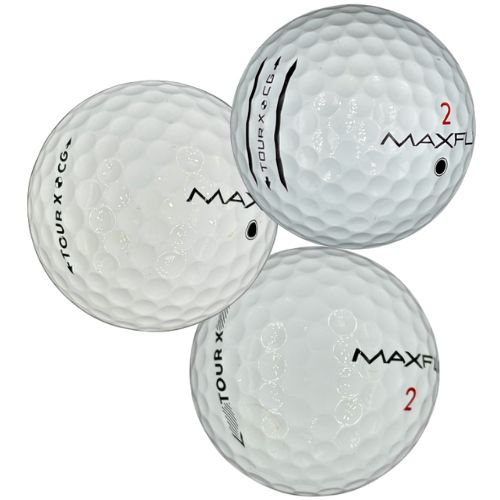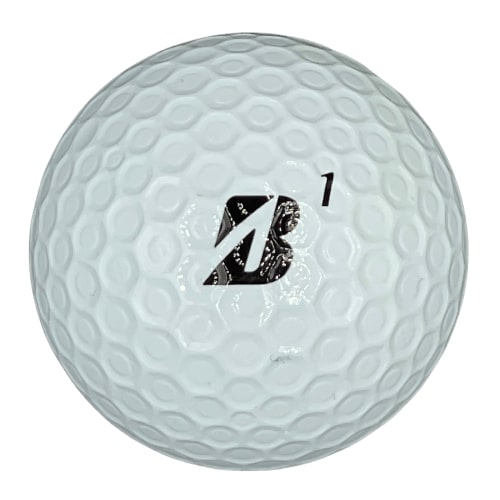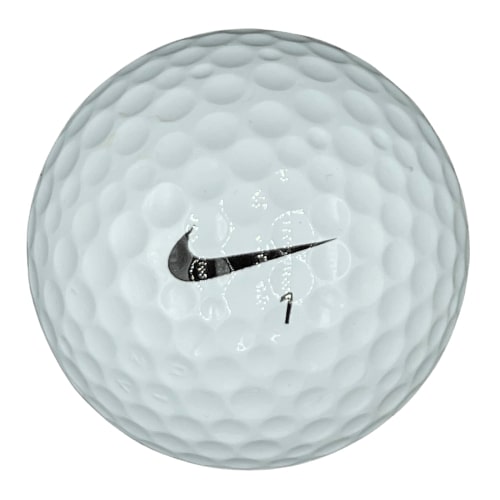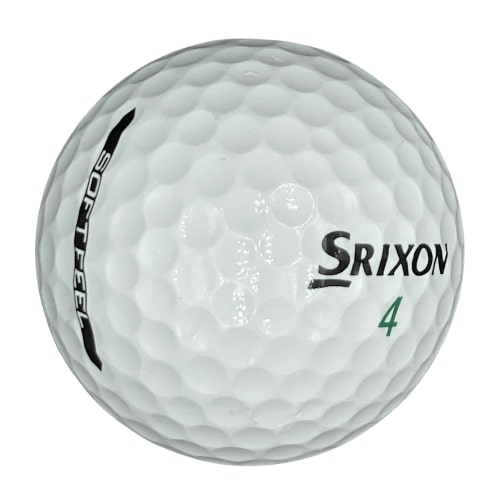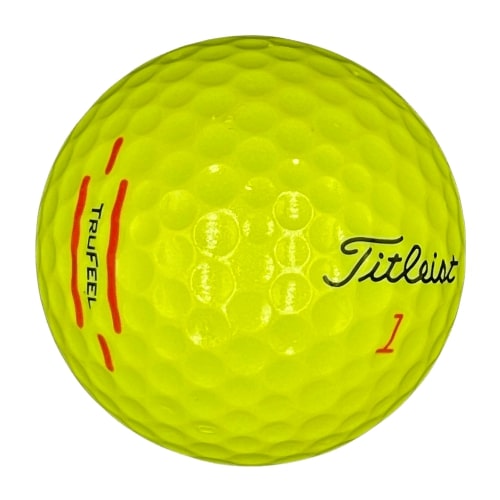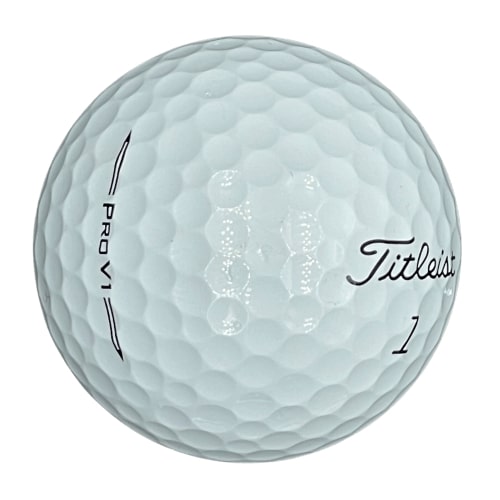
Recycled golf balls are a great way to reduce your golfing expenses by half and help the environment.
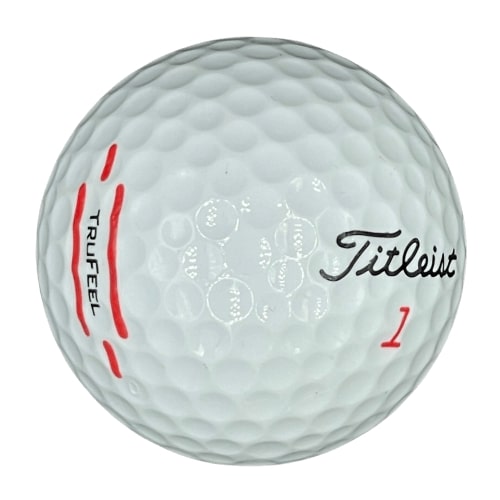
A new dozen Titleist Pro V1 golf balls costs $47.99, while the same balls recycled are just $23.99 with identical performance.
You can buy twice as many recycled golf balls at the same price as new ones, and the quality remains the same.
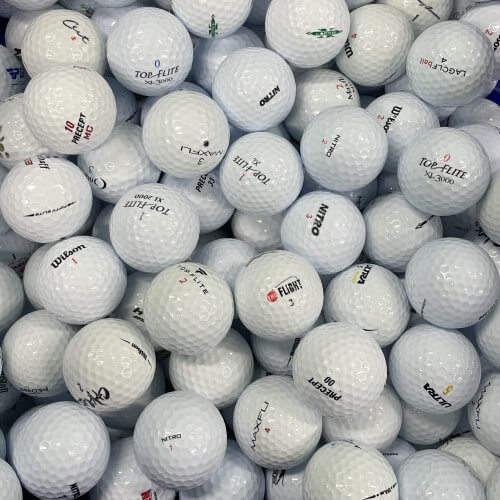
These recycled golf balls come from previously used balls that companies recover, clean, and grade to resell. Americans lose or throw away hundreds of millions of golf balls each year. These lost balls release microplastics and harmful chemicals into the ecosystem as they decompose. The decomposition process can last decades or even centuries. Using recycled golf balls helps solve an environmental problem and saves money. Without doubt, this makes them a smart choice that benefits both our wallets and the planet.
The Environmental Cost of New Golf Balls
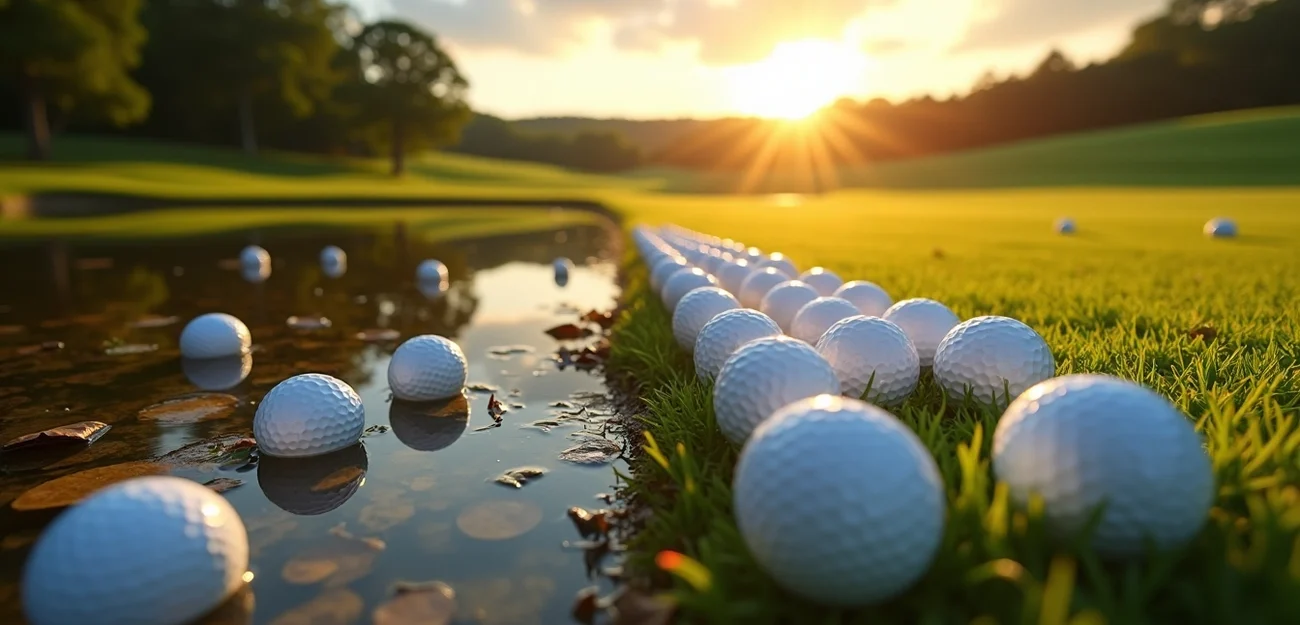
Golf ball waste numbers paint a shocking picture. Manufacturers produce about 1.2 billion golf balls worldwide each year, and players lose roughly 300 million of them just in the United States. Most players don’t realize the massive environmental burden these lost balls create.
Today’s golf balls pack quite an environmental punch. They combine a synthetic rubber core with a polyurethane shell that contains zinc oxide, zinc acrylate, and benzoyl peroxide. These chemicals are “acutely toxic” to marine life. These seemingly innocent balls turn into environmental hazards that stick around for generations once they’re abandoned.
Research shows these golf balls take anywhere from 100 to 1,000 years to break down naturally. They don’t just sit there doing nothing during this time. The balls slowly deteriorate and release microplastics and harmful chemicals into soil and water systems. Scientists working in marine environments have found that each ball acts like a tiny pollution factory. A single recovered ball adds about 0.027 pounds of microplastic debris that we can’t get back from the environment.
The manufacturing process creates its own problems too. Each golf ball produces about 10 grams of waste material. Major manufacturers end up creating millions of kilograms of waste material yearly.
The environmental toll goes beyond just waste. Making these balls uses lots of water and adds to greenhouse gas emissions through energy use and shipping.
How Recycled Golf Balls Help the Planet
Golf ball recycling creates small victories for our planet. Players lose over 300 million golf balls yearly in the United States alone. These recycled balls offer a practical solution to one of the most important environmental problems. Recovery of balls from water hazards and other areas stops harmful chemicals from leaching into ecosystems.
The planet benefits substantially from this effort. Recycled golf balls help reduce landfill waste and save valuable resources that would go into making new ones. On top of that, it takes nowhere near as much energy to process recycled balls compared to manufacturing new ones.
A facility in Sweden showed measurable carbon footprint reduction. Their recycling of 14,337 golf balls (660 kg) cut down CO2 emissions by approximately 3,226 kg. Many major brands have joined these recycling programs. Titleist’s subsidiary has recovered over 39,000 tons of used golf balls since 1992.
Recycled Pro V1 balls and other premium options help create a circular economy that keeps materials in use longe. Yes, it is worth noting that quality recycled balls perform just as well as new ones, making them ideal for environmentally aware players. Famous courses like TPC Sawgrass and Pebble Beach run their own recovery programs. This shows the growing shift toward eco-friendly golfing practices.
Smart Choices for Eco-Conscious Golfers
 Image Source: Golf Business Technology
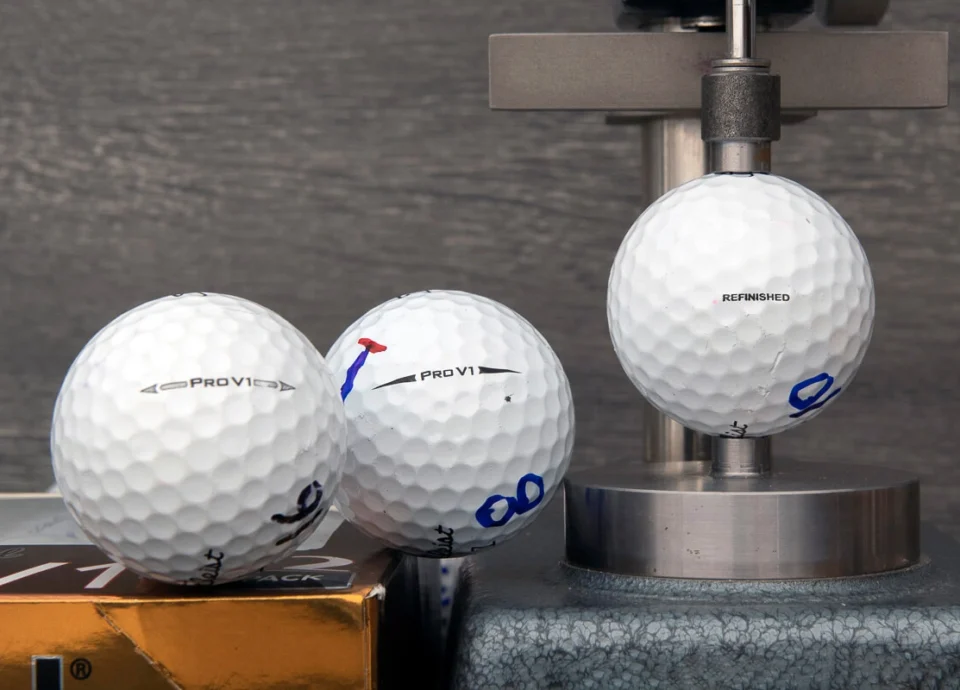
Smart choices for eco-conscious golfers begin with knowledge about their purchases. You should know the key differences between recycled and refurbished balls. Recycled balls go through cleaning and sorting, while refurbished ones are stripped, repainted, and restamped—a process that might affect their performance.
Quality grading systems help you pick the right recycled balls. Premium recycled balls come with ratings like “Mint/5A” (like new), “Near Mint/4A” (minor cosmetic issues), or “Good/3A” (playable with visible scuffs). Near Mint condition gives recreational golfers the best mix of quality and savings.
Bulk purchases deliver exceptional value. Recycled Pro V1s cost just $23.99 per dozen compared to $47.99 new. Players get 50% savings with similar performance.
To name just one example, see specialized biodegradable options for water-adjacent play. ECOBIOBALL stands out as the first ecological golf ball with fish food in its core that biodegrades in under 48 hours after water contact.
Players who keep losing balls get the most value from bulk purchases of 48-96 balls. This removes the stress about losing expensive balls. Shop Recycled golf balls today to boost your game, save money, and support environmental sustainability. The quality will impress you—most recycled balls from trusted sources perform just like new ones.
Conclusion
Our golfing choices have effects way beyond the reach and influence of the fairway. This piece shows how recycled golf balls create a win-win solution for both avid golfers and our planet. You can cut your expenses in half and still get premium performance – it just makes financial sense. On top of that, it helps reduce the 300 million golf balls lost each year in the United States alone.
The environmental benefits speak for themselves. Each recycled ball keeps harmful chemicals from leaching into ecosystems. It also cuts down the need for new manufacturing, so carbon emissions drop and resources stay preserved. Quality grading systems for recycled balls help players find options that match their style and budget. This works great for both weekend warriors and serious players.
Biodegradable alternatives work well for water-adjacent courses. Whatever course you play, buying recycled balls in bulk gives you great value without losing any performance. Shop recycled golf balls today and join other environmentally conscious golfers who have found this simple way to enjoy their favorite game while protecting our planet’s future. Without doubt, your wallet—and Mother Nature—will thank you.
FAQs
Q1. Are recycled golf balls as good as new ones? Recycled golf balls from reputable sources typically perform just as well as new ones. Many golfers find that premium recycled balls, especially those graded as “Mint” or “Near Mint,” offer virtually identical performance to new balls at a fraction of the cost.
Q2. How long does it take for a golf ball to decompose? Golf balls can take between 100 to 1,000 years to decompose naturally. During this time, they gradually break down, releasing microplastics and harmful chemicals into the environment, which can be detrimental to ecosystems.
Q3. What are the environmental benefits of using recycled golf balls? Using recycled golf balls helps reduce landfill waste, conserve raw materials and energy, lower carbon emissions from manufacturing, and protect wildlife and waterways. It also promotes a circular economy by keeping materials in use for longer periods.
Q4. How much money can I save by buying recycled golf balls? Golfers can save up to 50% by purchasing recycled golf balls. For example, a dozen recycled Pro V1 balls might cost around $23.99, compared to $47.99 for new ones, offering significant savings without compromising on quality.
Q5. What should I look for when buying recycled golf balls? When purchasing recycled golf balls, look for quality grading systems. Premium recycled balls are typically categorized as “Mint/5A” (like new), “Near Mint/4A” (minor cosmetic issues), or “Good/3A” (playable with visible scuffs). Consider buying in bulk for the best value, and choose a grade that suits your playing style and budget.