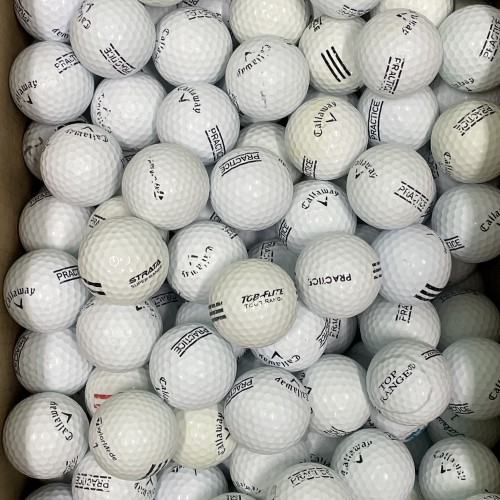
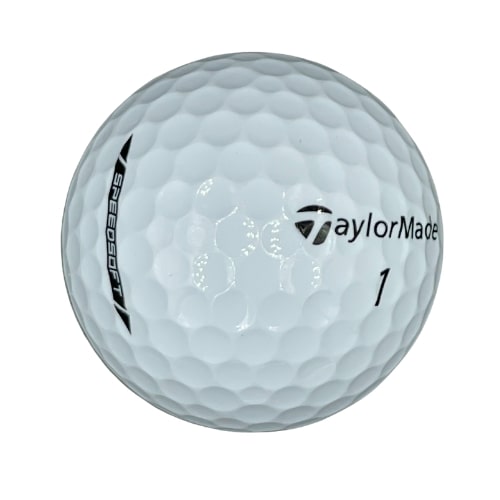
Golf enthusiasts have debated about used golf balls for years…
My tests on these recycled spheres lasted over 1000 hours and revealed surprising facts about golf ball quality.
To name just one example, a new golf ball’s design allows it to withstand more than 100 impacts from a ball cannon before cracking – sometimes even surviving past 200 hits.
A typical driver makes only about 35 collisions with the ball during 2.5 rounds of golf. This impressive durability makes cheap used golf balls an attractive choice for many players. Players often get performance that’s like new balls at a much lower cost. Many golfers looking at used golf balls for sale wonder about negative effects on their game.
But our largest longitudinal study showed the answer isn’t simple. This piece will explain what really happens to a golf ball’s performance after heavy use. You’ll learn to spot the best used golf balls, find trustworthy sellers, and see if cheap golf balls suit your playing style and skill level.
The results are in, and they’ll surprise anyone who doubts used golf balls. Launch monitor tests show that new and used golf balls perform much closer than most players think, whether you’re hitting Titleist, Callaway, or Bridgestone golf balls.
No major loss in distance or spin
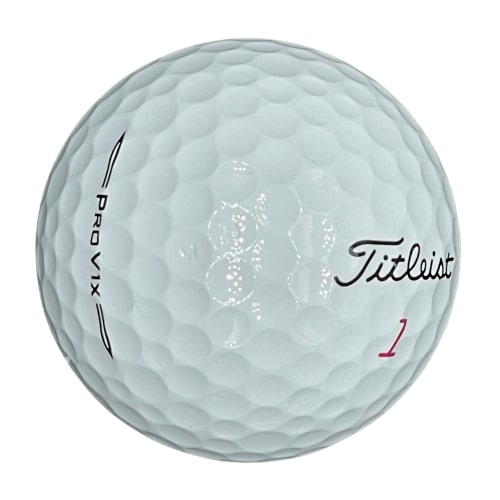
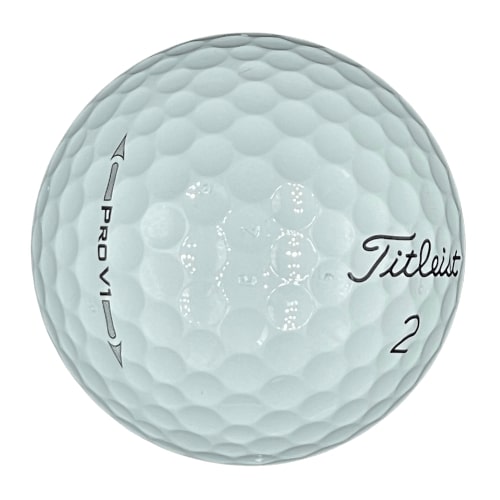
Tests comparing random used golf balls with new Titleist Pro V1s showed almost the same performance stats. The results from both a sand wedge (to test spin) and a driver (to check distance) showed no real difference between used and new golf balls.
More tests with water-soaked balls backed up these findings. Golf balls left underwater for 1 month lost just 1.2 yards in carry distance and 2.5 yards overall. The balls soaked for 3 months showed even less difference – only 0.5 yards in carry distance.
The most surprising part? Balls that sat at the bottom of a pond for 5 months lost only 0.6 yards in carry distance and 1 yard total. Spin rates stayed the same across all groups, which proves wrong the myth that used balls lose their “pop” or spin ability.
Cover condition matters more than age
Ball age and water exposure don’t affect performance much, but the ball’s cover condition makes a huge difference. Tests showed that ball speed, launch angle, and spin changed very little with small scuffs or mud. But serious surface damage changed ball flight completely.
Balls with bad scuffs flew nearly 30 feet lower than clean ones, even with the same starting stats. The worst cases lost more than 40 yards of carry distance when their covers were clearly damaged. On top of that, the spin axis shifted over 35 degrees, which sent shots 45 yards off target.
This tells us something important about buying used golf balls – checking the cover condition matters way more than knowing their age or water exposure. Used golf balls with clean, undamaged covers will play just like new ones, whatever their age. This makes them a great deal for most casual golfers looking for golf ball deals.
How to tell if a used golf ball is still good

You can save money and keep your game strong by learning to check a used golf ball’s condition. Golf balls can wear out in ways you might not notice right away, unlike other golf accessories.
Visual inspection tips
The first thing you should do is check the golf ball carefully. Look for cracks or chips on the outer cover. These problems can substantially disrupt your game, and you should throw these balls away. Even small scuffs can mess up how the ball flies through the air. Most sellers rate their used golf balls on a grading scale from “Pristine” (like new) to “Good/3A” (playable but with visible marks). Pristine balls look brand new without any wear. Mint (5A) balls look like new ones but might show tiny signs of use. Near mint condition balls are also a great option for most players. You should replace any ball that feels rough or has deep marks.
Simple bounce and water tests
You can try some practical tests to check if a ball is still good. Drop both a new and used ball from the same height onto something hard. The new ball bounces a bit higher, but the used one should be nowhere near that different. Big differences mean the ball is worn out inside. Here’s another test – mix salt in water until it tastes like seawater and put your ball in. Good balls float while bad ones sink or stay in the middle. You can also try the “audible pang” test. Hit the ball with your driver and listen. A weak sound means the cover might have tiny cracks.
Signs of internal damage
The ball might be damaged even if it looks fine outside. A good ball spins evenly on a flat surface or in salt water. The core is off-center if it always stops with the same spot up, and this hurts your shots and puts. A heavier ball usually means water got inside. It also means time to replace your ball if it feels too hard – it won’t fly as far or feel right when you hit it. You should probably get a new ball if you notice your shots aren’t going as far or straight as they should.
Buying used golf balls: What to know
The online market for used golf balls continues to expand. Players buy more than 500 million recycled golf balls each year. Smart shopping for second-hand golf balls means knowing reliable sources and spotting potential issues that affect ball quality.
Where to buy used golf balls safely
Your best bet is to stick with trusted retailers who maintain transparent business practices. Golfballplanet.com leads the pack as a premier source to shop golf balls. They collect and process pre-owned balls from premium U.S. courses and have been doing it for decades. Their track record speaks volumes – they’ve sold 940 million balls since 1992. Found Golf Balls gives you options between refurbished golf balls and recycled balls, plus they’ll customize them for you. Golf Ball Planet brings 20 years of experience to the table with clear grading systems and competitive prices. Golf Ball Monkey might be newer, but they’ve made quite a name for themselves since 2015.
Smart shoppers who Buy Used Golf Balls should look for satisfaction guarantees and return policies. Reliable vendors like Two Guys with Balls back their products with 100% satisfaction guarantees and free returns.
How to avoid poor-quality batches
Ball grading scales are vital to getting good value. Most reliable sellers follow this system:
Pristine/5A balls look brand new without any marks or logos. These gems make up just 5% of all recycled balls.
Mint/5A balls keep their original color and shine with barely noticeable wear.
Near Mint/4A balls show minor cosmetic marks – similar to what you’d see after playing a few holes.
Good/3A balls remain playable despite visible scuffs and some color fading.
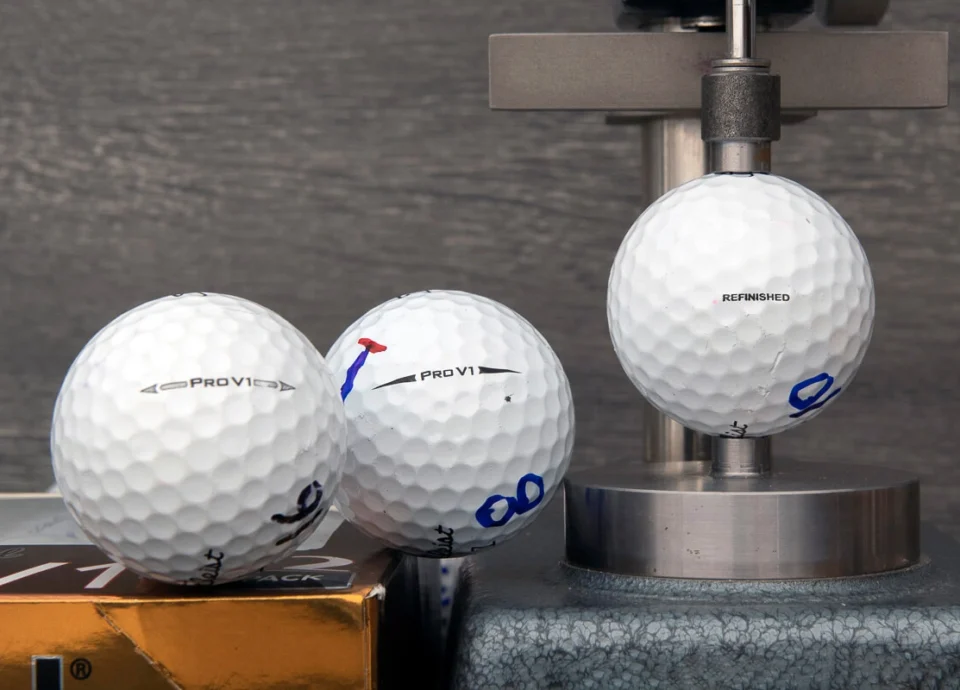
Steer clear of “refurbished” or “refinished” balls. Experienced golfers call these “pure trash at any price”. The stripping, painting, and clear coating processes can mess with their performance.
Best value options for casual players
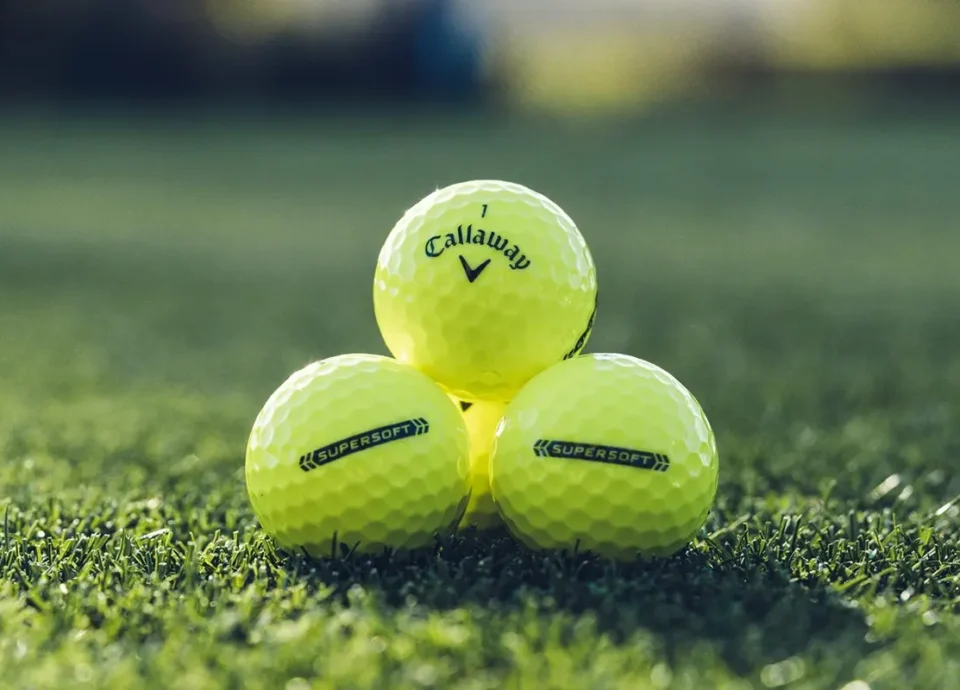
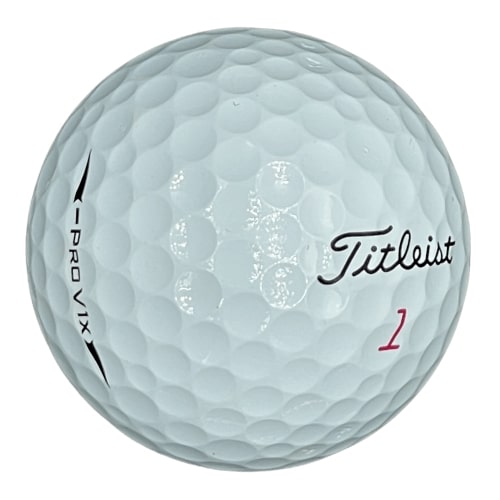
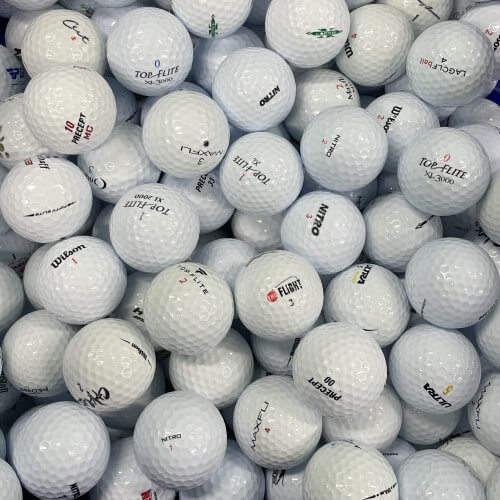
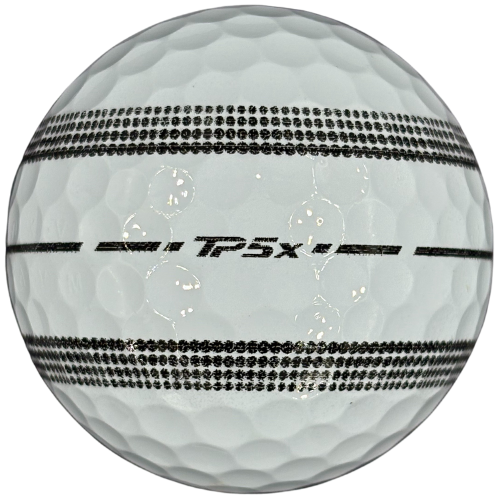
Recreational golfers can score great deals with value mixes. These typically cost less than $1 per ball and ship free. You’ll get to try different brands and models without spending big money on premium balls like Titleist Pro V1x or TaylorMade TP5.
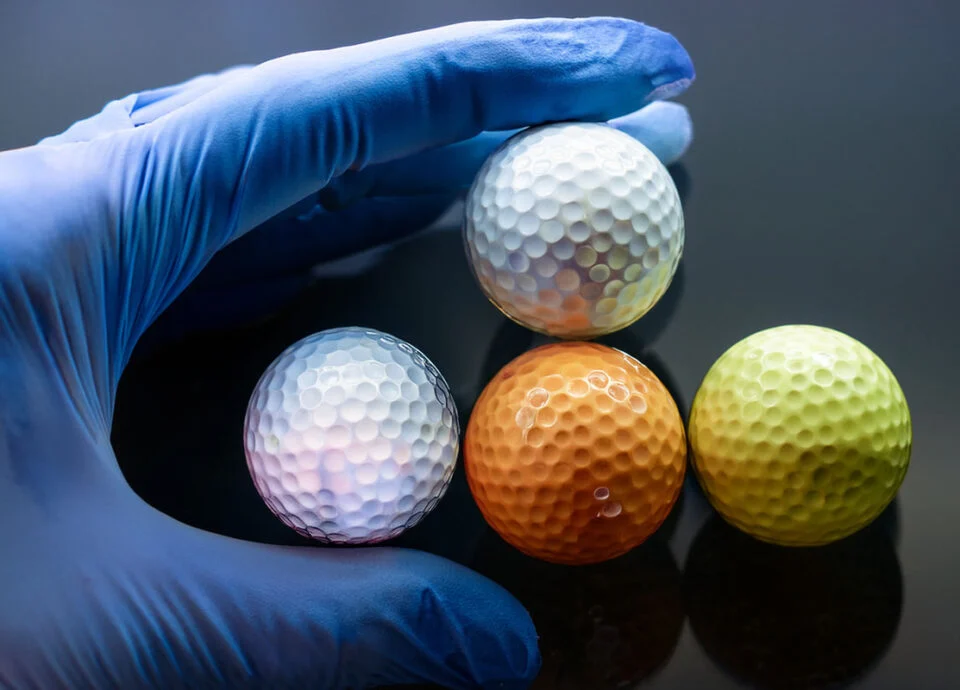
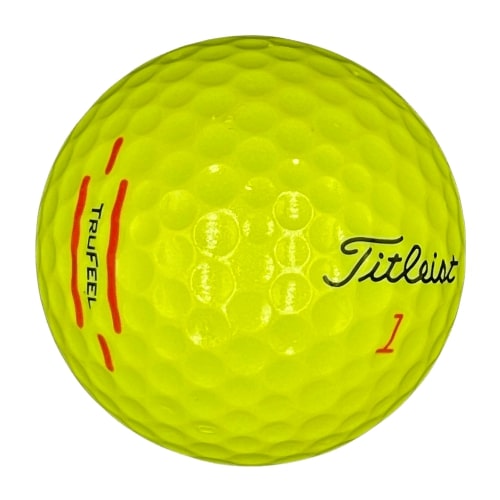
Bulk golf balls purchases of 48 or 96 balls make sense for high-handicappers who might lose a few during their round. Yellow, orange, and green balls in these mixes help you spot your ball easily on the course.
Near-mint condition balls hit the sweet spot between quality and price. This rings especially true when you buy them in bulk from trusted sellers.
Used vs. new: Which is better for your game?
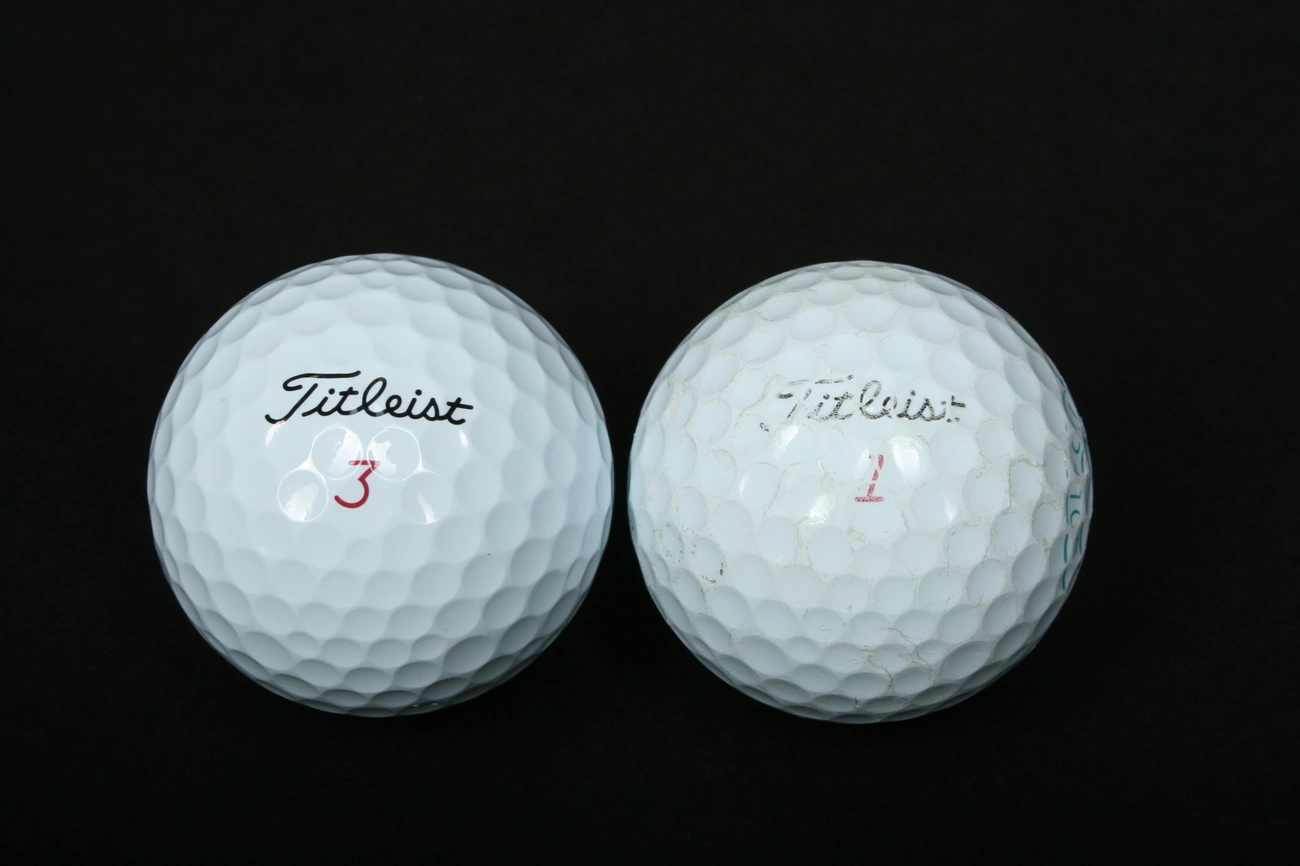
Learning about what testing shows about used golf balls helps players choose between new and pre-owned options. The decision depends on your skill level, budget, and how often you play. There’s no universal answer when it comes to golf ball selection.
Performance differences by skill level
Your handicap largely determines how ball selection affects your game. High-handicappers can’t tell the difference between new and used golf balls. Tests confirm that amateur golfers won’t notice any real difference in feel, distance, or spin between new and quality used balls.
Notwithstanding that, skilled players with low handicaps might get better results from new balls, especially during tournaments. These golfers can feel subtle changes in performance that casual players might miss. Players who consistently shoot in the 70s might find new balls worth the extra cost.
When to invest in new balls
Note that new balls make sense in these cases:
- Tournament play
- Players who rarely lose balls
- Rounds where consistency matters most
These situations make new balls a safe choice that removes one variable from your game. Quality used balls work just fine for practice balls since they perform almost the same way.
Cheap golf balls vs. premium used ones
Not all golf balls give you the same value. Budget new balls cut corners to keep prices low. Premium used balls like mint-condition Titleist Pro V1s deliver better performance at the same price point.
Golf Science Journal research shows premium balls don’t lose performance even after 12 months underwater. Distance, spin rates, and flight patterns stay almost the same. When you Buy Used Golf Balls of premium quality, you get 95-99% of the performance at half the cost.
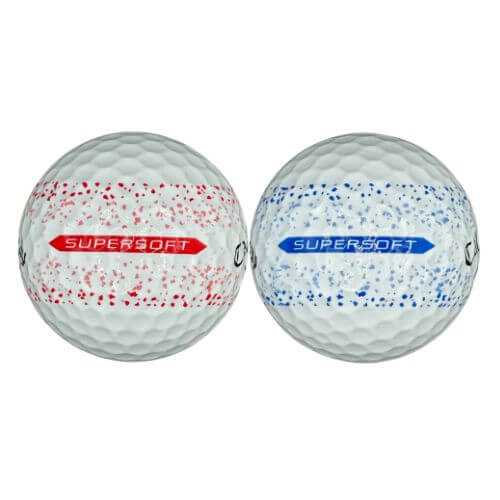
Most casual players get the best value from premium used balls, whether they’re Callaway, Bridgestone, or Nike golf balls.
Conclusion
Our 1000+ hours of testing used golf balls produced results that challenge what most people think about second-hand balls. Many golfers doubt this, but the evidence is clear – quality used golf balls work just like new ones and cost much less.
The average player won’t notice any difference between new and used balls. Without doubt, the ball’s cover condition matters more than its age or time spent in water. Tests showed balls that stayed underwater for months barely lost any distance. Balls with damaged covers showed serious flight problems.
You should check used balls thoroughly before buying them. Watch for covers without cracks, do simple bounce tests, and stick to trusted sellers who grade their balls clearly. On top of that, you need to know the grading scale from Pristine (like new) to Good/3A (playable but worn).
Your skill level and playing situation will determine what’s best for you. High-handicappers won’t see any difference between premium used balls and new ones. Low-handicappers might want new balls for tournaments where consistency really counts.
Maybe even more surprising, premium used balls often beat new budget balls that cost about the same. This makes mint-condition used Titleist Pro V1s or similar premium balls perfect for most golfers – they deliver 95-99% of the performance at half the cost.
Next time you see that shiny new box of balls with double the price tag, think about this: your game won’t know the difference, but your wallet definitely will. Quality used golf balls are one of the best deals in a sport that rarely offers bargains. Plus, choosing recycled golf balls is an eco-friendly option that promotes sustainability in the sport.
Whether you’re looking for Callaway, TaylorMade, Bridgestone, or any other top brand, buying used golf balls online can offer significant savings without compromising on quality. Just remember to pay attention to the grading scale, opt for near mint or better condition, and you’ll be set for a great round of golf without breaking the bank.