What is the Best Golf Ball for Me in 2022?
Which golf ball you choose can have a major impact on your game. Newer golf balls have made huge strides in design, and now you can find a golf ball specifically made for every type of golfer, whether you are brand new to the sport or a seasoned pro, whatever your swing speed, strengths, and weaknesses.
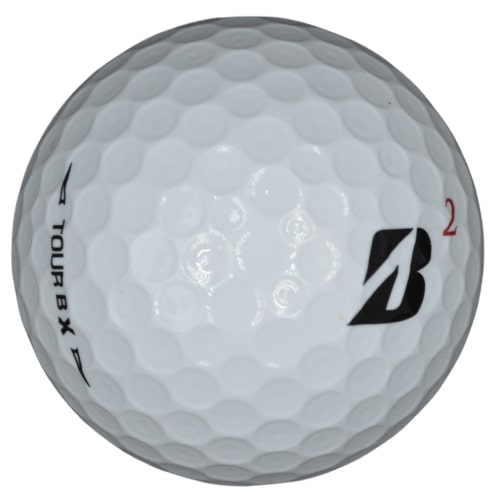
Golf ball technology is getting better every year, with developments like the speed-increasing but spin-enhancing Reactiv urethane covers on Bridgestone Tour B balls or the forgiving dual-core of Callaway Chrome Soft balls that helps amateur golfers hit more accurately.
What is Inside a Golf Ball?
Seasoned golfers might remember back in the days where if you split open a golf ball, you’d find a bundle of wound rubber thread inside. Those days are gone–modern golf balls have different types of core construction, all designed to impact your game in a specific way to maximize your swing. Most golf balls come in either a 3-or-4 part construction which includes a soft polyurethane cover, a rubber inner core, a soft outer core, and/or a hard ionomer mantle.
Here is a quick guide to the anatomy of a golf ball and which parts impact what aspect of your game.
Core:
Influences speed and distance, spin, long and short game. A ball with a harder (higher compression) core will give you more speed, while a ball with a softer (lower compression) core will give you less speed but more control.
Layers:
Different layers over the core can further affect spin and control. Be sure to read about what type of layers a golf ball has and what they do before you purchase it.
Cover:
Influences spin. Golf ball covers are made of either urethane or Surlyn. Surlyn covers are generally better for distance but can inhibit spin, while urethane covers generally enhance spin, giving you more control but less distance.
Dimples:
Affect the ball’s movement through the air. Different balls have different dimple patterns that can change the way the ball flies.
What Do the Numbers on Golf Balls Mean?
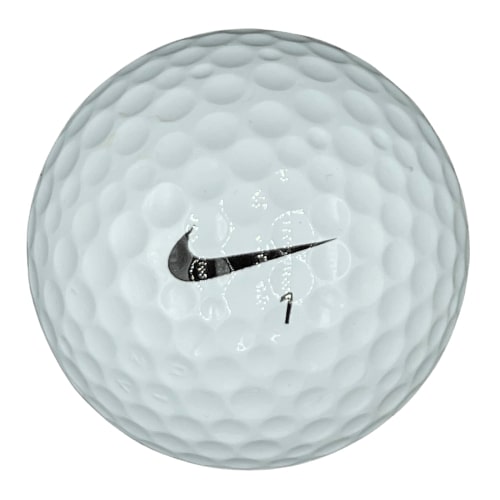
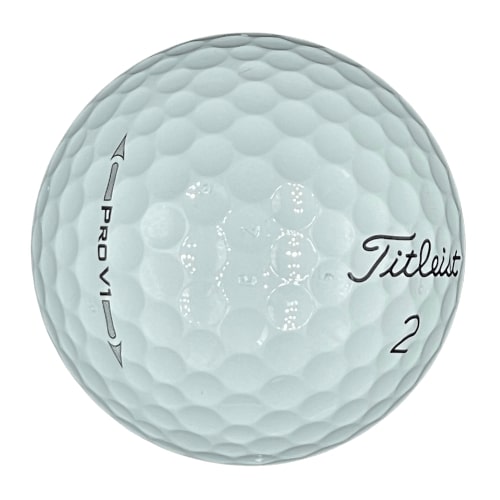
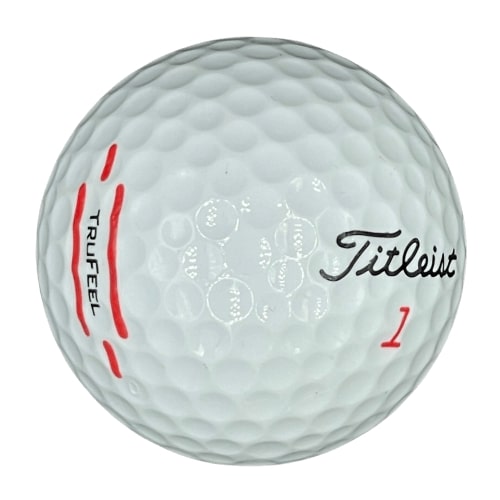
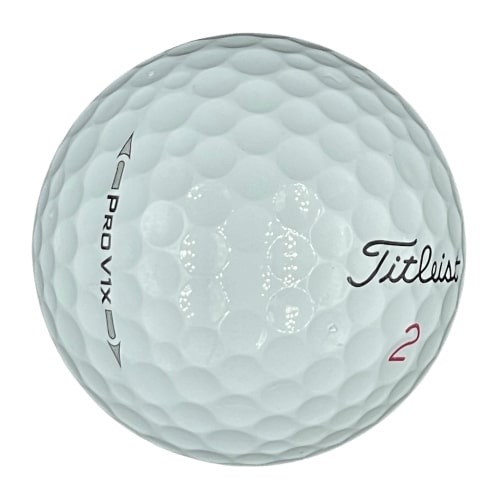
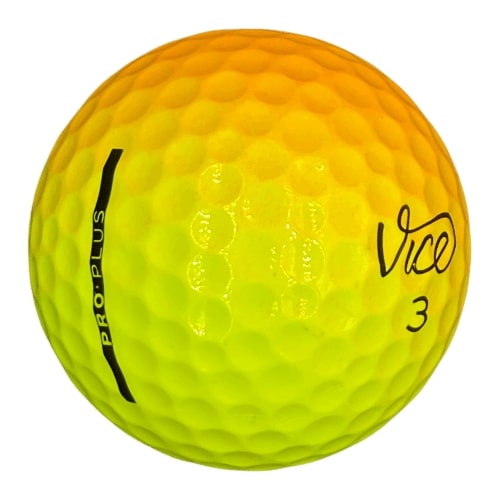
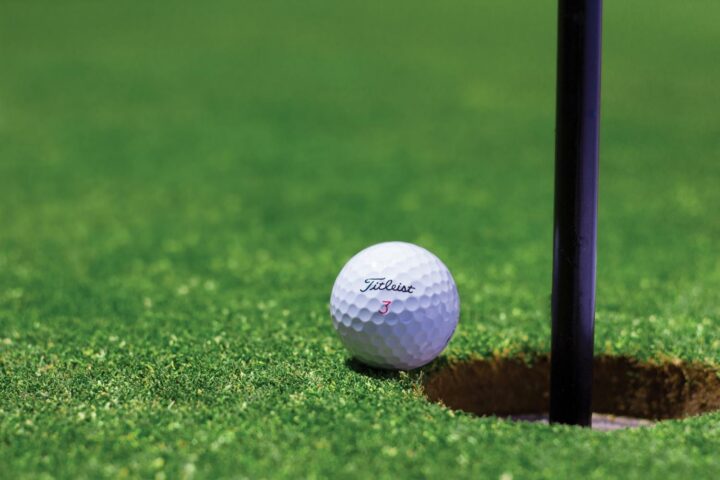
Many newer golfers wonder what those numbers on their golf balls mean. The answer depends on how many digits the number is. A one-digit number is usually there for identification purposes, so that you can distinguish your ball from your fellow golfers’. A two-digit number usually indicates the ball’s compression rating, and a three-digit number is usually the number of dimples on the ball.
How to Choose a Golf Ball
Now that you have a better understanding of how the composition of golf balls impacts your game, you can choose the right ball for you. Think about your particular strengths and weaknesses when it comes to golf, and seek out golf balls specifically designed to address these.
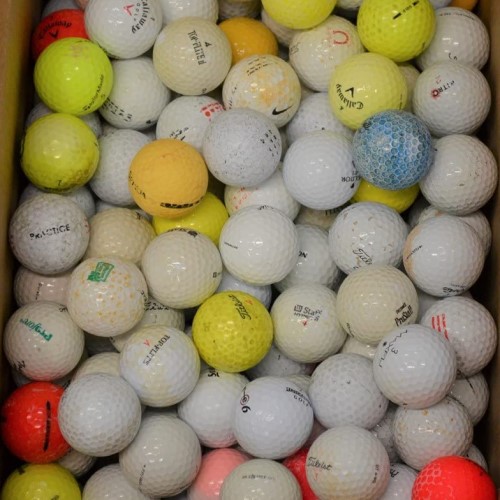
It is a good idea to try out a few different types of golf balls to see what feels best for you. That can get expensive if you’re buying new golf balls, so it’s smart to buy used golf balls at an affordable price in order to figure out which ones work best for the way you play.

If you’re interested in something that will give you great control and better accuracy, check out Bridgestone’s Tour B balls. For golfers who are more interested in a hard core ball that goes the distance, try Titleist’s Velocity balls.
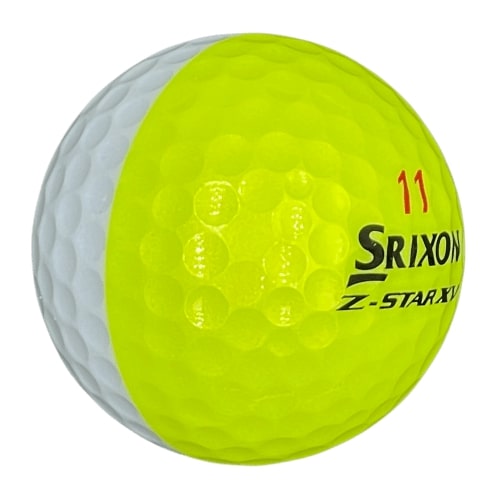
Check out our wide selection of used golf balls at great prices. We sell golf balls from all of the most popular brands, including Callaway, Srixon, Titleist, Bridgestone, and more.